
round led bathroom mirror 400mm
The Significance of Metal Brackets for Wood Trusses in Construction In the realm of construction and engineering, metal brackets for wood trusses have emerged as an essential component, offering a blend of functionality, durability, and aesthetic appeal. These connectors play a pivotal role in reinforcing wooden structures, particularly in roof and floor truss systems. Wood trusses, with their triangular design, provide a robust and efficient method of spanning large distances while maintaining structural integrity. However, without proper reinforcement, they can be susceptible to wear and tear over time. This is where metal brackets step in, enhancing the overall strength and stability of the truss system. Metal brackets, typically made from high-strength steel, offer a number of advantages. Firstly, they significantly increase the load-bearing capacity of the trusses, ensuring safety against heavy loads or potential environmental stresses like wind or earthquakes. Their rigidity and resistance to corrosion make them ideal for both indoor and outdoor applications, where exposure to weather elements is inevitable. The use of metal brackets also simplifies the installation process. They are pre-fabricated, allowing for precise measurements and quick assembly on-site, reducing labor costs and construction time. Moreover, their standardized designs ensure compatibility with various types of wood trusses, providing flexibility in design and construction Moreover, their standardized designs ensure compatibility with various types of wood trusses, providing flexibility in design and construction Moreover, their standardized designs ensure compatibility with various types of wood trusses, providing flexibility in design and construction Moreover, their standardized designs ensure compatibility with various types of wood trusses, providing flexibility in design and construction metal brackets for wood trusses . Furthermore, these brackets contribute to the longevity of the structure. Unlike wooden components that can warp, split, or rot over time, metal brackets maintain their structural integrity for extended periods. Regular inspections and maintenance can further prolong their service life. Beyond their functional benefits, metal brackets also add an aesthetic touch to woodworking projects. With a range of finishes and styles available, they can complement or subtly blend into the surrounding architecture, contributing to the overall design aesthetic. However, it's crucial to note that the successful implementation of metal brackets relies heavily on proper installation and adherence to building codes. Professional engineers and contractors should always be involved in this process to ensure optimal performance and compliance with safety standards. In conclusion, metal brackets for wood trusses are more than just connectors; they are integral components that enhance the performance, durability, and aesthetics of wooden structures. As technology advances, we can expect even more innovative designs and materials to improve this critical aspect of construction, further solidifying the role of metal brackets in the world of wood truss systems.
about
round led bathroom mirror 400mm
Understanding DN80 Gate Valves A Comprehensive Overview Gate valves are essential components in a wide range of piping systems, playing a crucial role in the regulation of fluid flow. Among the various specifications used in valve design, the term DN (Diameter Nominal) is crucial, indicating the nominal pipe size. In this article, we will delve into the specifics of the DN80 gate valve, exploring its features, applications, and considerations for selection and maintenance. What is a DN80 Gate Valve? Defined by the nominal pipe diameter of 80 millimeters (mm), a DN80 gate valve is specifically designed to control the opening and closing of fluid flow in a pipeline. The primary function of a gate valve is to provide full flow with minimal pressure drop, achieved through a wedge-shaped gate that can be raised or lowered within the valve body. This design makes it particularly suitable for applications where the valve is either fully open or fully closed, rather than used for throttling purposes. Key Features 1. Construction Material DN80 gate valves are typically constructed from a variety of materials including cast iron, ductile iron, stainless steel, and carbon steel. The choice of material depends on the application, as factors like temperature, pressure, and fluid composition play a significant role in material selection. 2. Sealing Mechanism Most DN80 gate valves employ a resilient seat design which ensures a tight seal. This reduces the chance of leakage, which is essential in applications where fluid loss can lead to significant operational inefficiencies or environmental hazards. 3. Operating Type Gate valves can be operated manually with handwheels, or automatically using actuators. The choice of operation often hinges on the specific needs of the system; for instance, larger installations may favor automation for efficiency and ease of control. Applications DN80 gate valves are widely used across numerous industries due to their versatility. Some common applications include gate valve dn80 - Water Treatment Plants Gate valves are integral to the operation of water distribution systems, allowing for the control of water flow and maintenance procedures. - Oil and Gas In oil pipelines, DN80 gate valves regulate the flow of crude oil and natural gas, ensuring safe and efficient transportation. - Chemical Processing The chemical industry often requires DN80 gate valves for handling various fluids, facilitating flow regulation while maintaining safety and integrity. Selection Considerations When selecting a DN80 gate valve, several critical factors should be taken into account 1. Pressure and Temperature Ratings The valve must be able to withstand the specific pressure and temperature conditions of the system. It is essential to check the valve's rating to ensure it is suited for the intended application. 2. Fluid Type Understanding the nature of the fluid flowing through the valve is crucial. For example, corrosive liquids will require a gate valve made from compatible materials to ensure longevity and reliability. 3. Installation Space The physical dimensions and orientation of the valve must align with the installation space available in the pipeline system, ensuring proper integration without requiring extensive modifications. 4. Maintenance Requirements Some gate valves may require more frequent maintenance than others, especially in high-pressure applications. Selecting a valve with lower maintenance needs can lead to cost savings and enhanced operational efficiency. Conclusion In summary, the DN80 gate valve is a vital component in various industrial applications, characterized by its ability to provide excellent flow control with minimal resistance. Understanding the features and benefits of DN80 gate valves, along with careful consideration of material, fluid type, and operating conditions, can lead to more effective systems that are both reliable and efficient. Whether in water treatment, oil and gas, or chemical processing, the right gate valve choice can significantly impact operational success.
-

High quality industrial productsagement

High quality industrial products
View Details -

Meet the diverse needs of customers

Meet the diverse needs of customers
View Details -

Strict quality control

Strict quality control
View Details -

Top raw materials

Top raw materials
View Details -

Trusted supplier

Trusted supplier
View Details
Our application


news and information
Y Type Strainer Future Innovations
The industrial landscape is continuously evolving, driven by technological advancements and the need
water valve key types
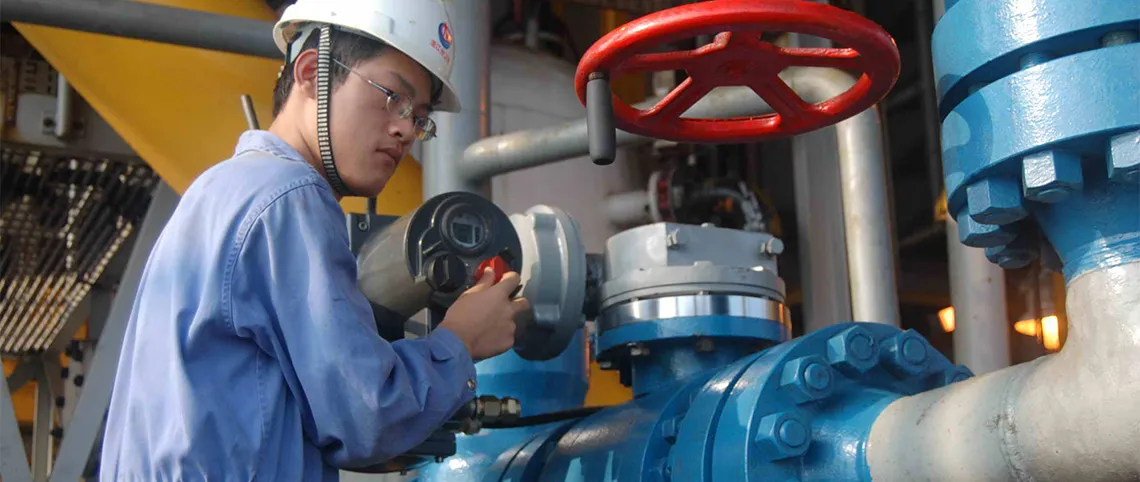
Understanding Water Valve Key Types Water valves are essential components in various plumbing system
Vanne à soupape flanquée 4 pouces pour applications industrielles et domestiques
Vanne à opercule de 4 pouces avec brides une solution fiable pour les systèmes de conduits Les vann
 English